🌿 Introduction:
What if a simple daily herb could quietly strengthen your immunity, detox your body, support your liver, calm inflammation — and still carry the wisdom of thousands of years of Ayurveda?
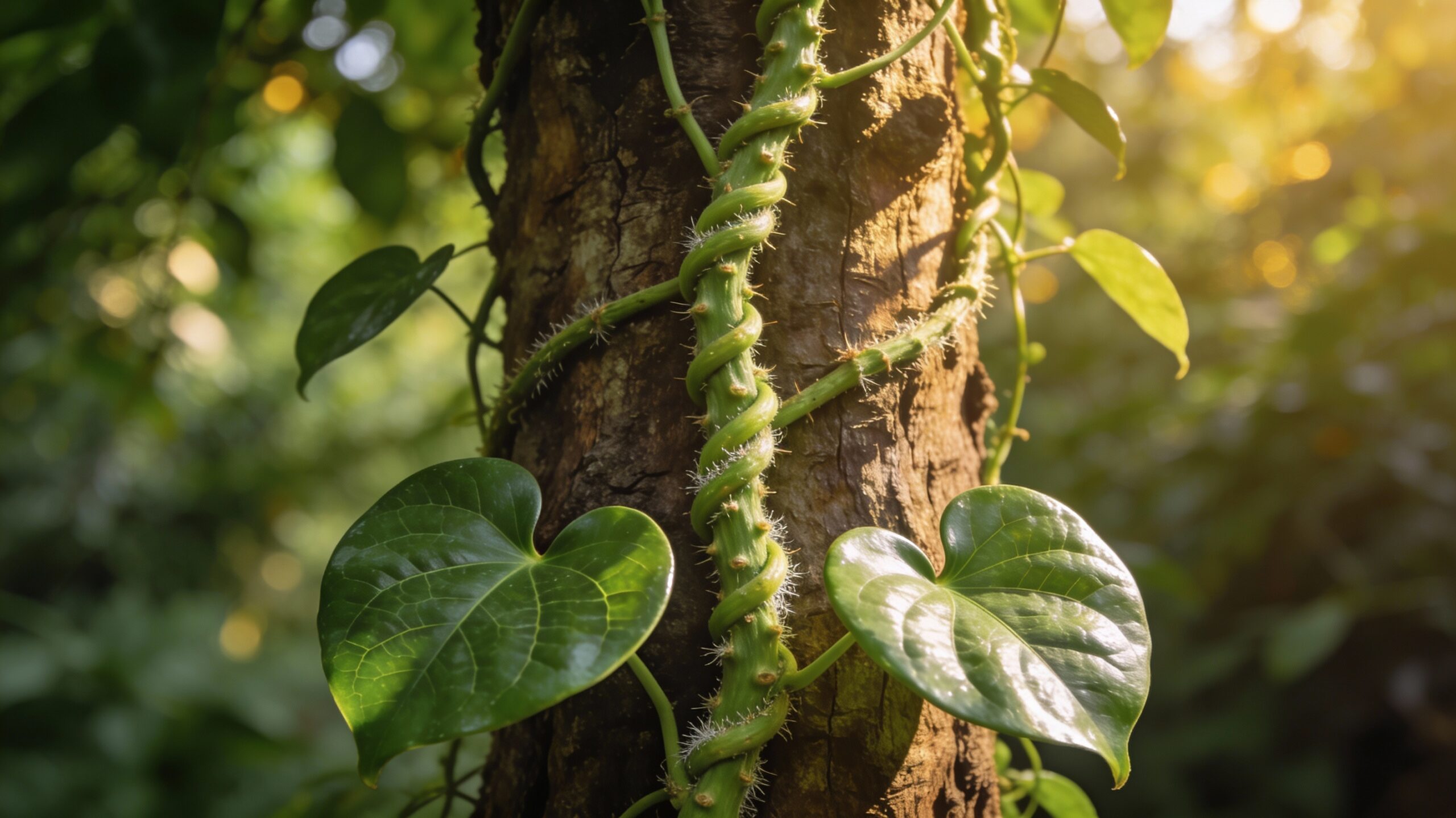
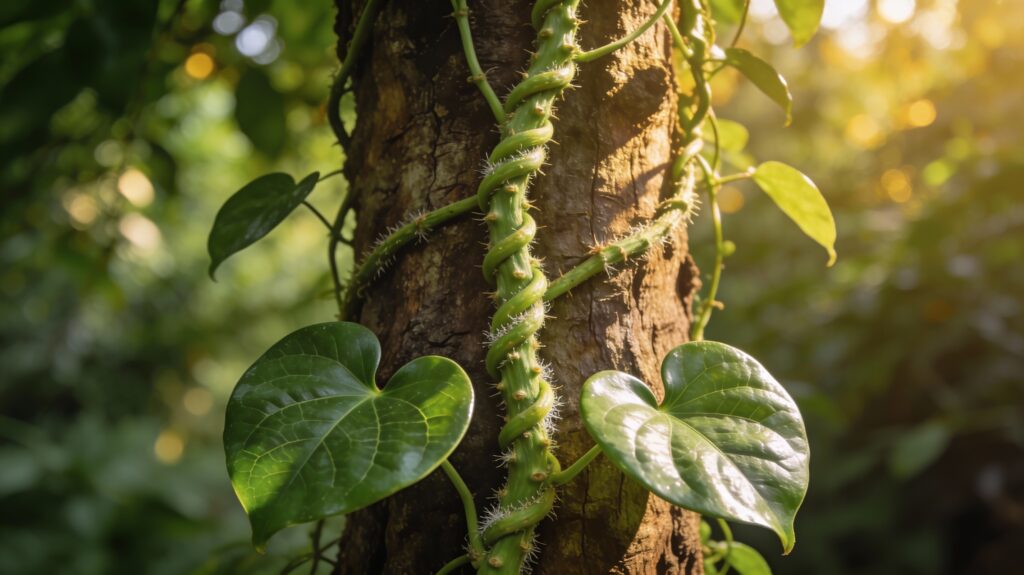
Meet Giloy — also known as Guduchi or Tinospora cordifolia — revered in ancient texts as “Amrita”, the nectar of immortality. This humble climbing vine, with its green stems and heart-shaped leaves, holds a powerful legacy where traditional Ayurvedic wisdom meets modern scientific research.
If you’ve only heard of Giloy as “another immunity booster,” this article will show you why it has been trusted for centuries — and why global researchers are revisiting it today.
Why Herbs Matter — And Why Giloy Is Special
Modern lifestyles expose us to:
- Processed foods
- Environmental toxins
- Chronic stress
- Pollution
- Poor sleep & sedentary habits
According to Ayurveda, these factors lead to the accumulation of “Ama” — toxins or undigested waste that disrupts digestion, immunity, metabolism, and overall health.
Herbs are not folklore remedies. Many, including Giloy, are now under scientific scrutiny, validating their traditional roles in:
- Immune modulation
- Inflammation control
- Liver protection
- Metabolic balance
- Adaptogenic stress support
Giloy stands out because it bridges ancient Ayurvedic rasayana therapy with modern pharmacological research.
Giloy in Ayurveda: Traditional Knowledge & Healing Perspective
In classical Ayurvedic texts, Guduchi (Giloy) is classified as a Rasayana — a rejuvenating herb that promotes longevity, vitality, and resistance to disease.
Ayurvedic Properties (Rasa Panchaka)
- Rasa (Taste): Tikta (bitter), Kashaya (astringent)
- Virya (Potency): Ushna (warming)
- Vipaka (Post-digestive effect): Madhura (sweet)
These qualities make Giloy effective in:
- Digesting toxins (Ama)
- Balancing Vata, Pitta, and Kapha
- Supporting immunity and tissue nourishment
Traditional Uses in Ayurveda
Giloy has been traditionally used for:
- Chronic and recurrent fevers
- Infections and low immunity
- Skin disorders and allergies
- Digestive imbalance
- Rheumatic and inflammatory conditions
- Jaundice and liver disorders
Externally, Giloy decoctions and pastes have been applied for skin inflammation, pain, and arthritis-like conditions.
What Modern Science Says About Giloy

Scientific interest in Tinospora cordifolia has surged in recent years. Research publications on Giloy increased by over 370% between 2014 and 2024, reflecting renewed global attention.
Key Evidence-Backed Benefits
🛡️ 1. Immune Modulation & Antioxidant Support
- Enhances immune cell activity.
- Increases antioxidant defense.
- Helps regulate immune response rather than overstimulate it.
🔥 2. Anti-Inflammatory & Anti-Pyretic Effects
- Reduces inflammation markers
- Supports fever management
- Validates traditional use in arthritis and inflammatory disorders
💊 3. Analgesic (Pain-Relieving) Properties
- Demonstrated increased pain threshold in experimental models
🍬 4. Metabolic & Anti-Diabetic Potential
- May help regulate blood sugar
- Supports lipid metabolism
- Shows promise for metabolic syndrome (as supportive therapy)
🧠 5. Hepatoprotective (Liver-Protective) Role
- Reduced liver enzyme levels in animal studies
- Suggests protective effects against toxin-induced liver damage
How to Use Giloy: Forms, Dosage & Best Practices
Common Forms of Giloy
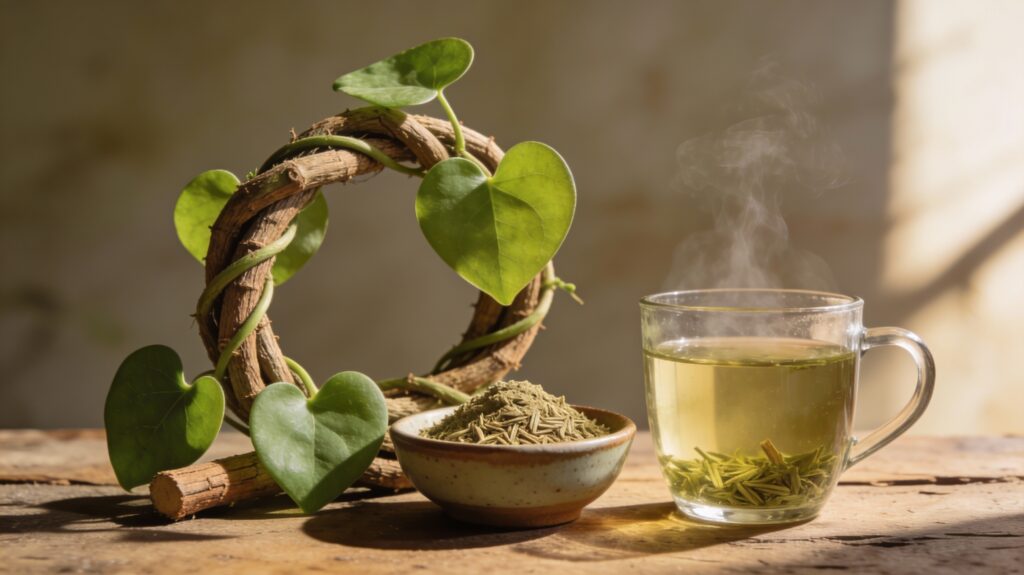
- Fresh stem decoction (Kashayam)
- Dried powder
- Tablets / capsules / Ghan Vati
- Combination Ayurvedic formulations
General Dosage Guidance
- Extract doses around 500 mg/day have shown safety in short-term studies
- Traditionally taken as a warm decoction or powder
- Best used seasonally or in cycles, not continuously year-round
Always consult a qualified Ayurvedic or medical professional before long-term use.
Side Effects, Precautions & Who Should Be Careful
Despite its benefits, Giloy is a potent herb and should not be used carelessly.
Potential Risks
- Excessive or prolonged use may stress the liver in rare cases
- Gastrointestinal discomfort or allergic reactions in some individuals
Who Should Avoid or Consult First
- People with autoimmune diseases
- Diabetes or thyroid disorders
- Liver disease
- Pregnant or breastfeeding women
- Those on long-term medication
Natural does not always mean risk-free.
Practical Uses of Giloy in Daily Life
Giloy may be helpful as supportive care in:
- Seasonal flu, cold & mild infections
- Post-illness recovery
- Chronic inflammation or joint discomfort
- Metabolic health support (with diet & exercise)
- Stress-related immune weakness
It should complement, not replace, medical treatment.
When NOT to Use Giloy
- Do not self-medicate for serious or chronic diseases
- Avoid long-term high-dose use without monitoring
- Stop immediately if symptoms like jaundice, fatigue, or digestive distress occur
Giloy in Modern Lifestyle & Preventive Health
In today’s world of rising lifestyle disorders — diabetes, inflammation, stress, weakened immunity — Giloy represents a preventive, integrative approach:
- As a seasonal immune adaptogen
- As part of a holistic wellness routine
- As a bridge between Ayurveda and modern med
Conclusion: Is Giloy Worth Including in Your Wellness Routine?
Giloy is not a miracle cure — but it is a time-tested, research-supported Ayurvedic herb with wide-ranging benefits. When used responsibly, it can support immunity, inflammation control, metabolic balance, and overall resilience.
The key lies in moderation, awareness, and professional guidance.
Giloy stands at the crossroads of ancient tradition and modern science — making it a valuable ally for those seeking a balanced, natural, and informed path to wellness.
Leave a Reply