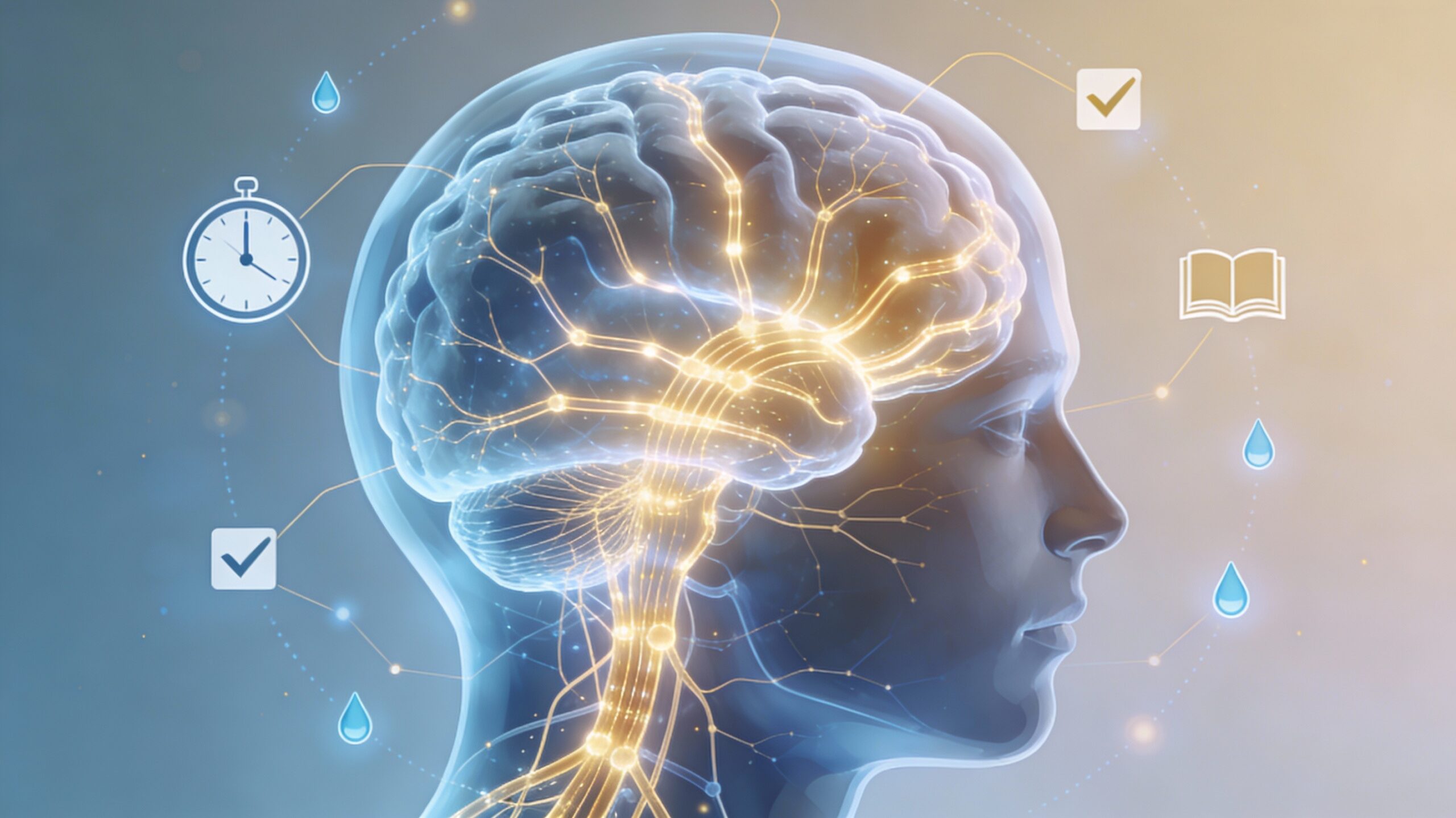
Introduction: Why Discipline Determines the Direction of Your Life
Motivation starts action.
Talent accelerates progress.
Luck opens doors.
But discipline decides how far you go.
In every field—health, career, relationships, creativity, spirituality—long-term success belongs to those who can act consistently, regardless of mood, emotion, or circumstance. That ability is called discipline.
Discipline is not about forcing yourself. It is about self-leadership.
This article explains what discipline truly is, why it matters more than motivation, how it rewires the brain, and how you can build it into your daily life in a sustainable way.
What Discipline Really Means.
Discipline is the ability to consistently choose long-term benefit over short-term comfort.
It does not mean:
- being harsh with yourself
- living a restricted life
- suppressing emotions
True discipline means:
- doing what needs to be done
- even when you don’t feel like it
- without relying on motivation
When practiced correctly, discipline does not reduce freedom.
It creates freedom.
Why Discipline Is More Powerful Than Motivation
Motivation is emotional.
Discipline is structural.
Motivation depends on:
- mood
- energy
- external inspiration
Discipline depends on:
- routines
- systems
- identity
That is why motivation fades, but disciplined people continue.
Discipline vs Motivation
| Motivation | Discipline |
|---|---|
| Temporary | Long-term |
| Emotion-based | System-based |
| Unreliable | Consistent |
| Starts action | Sustains results |
Motivation helps you begin.
Discipline helps you finish.
The Science Behind Discipline
Discipline is not just willpower—it is neural training.
Strengthening the Prefrontal Cortex
Disciplined behavior strengthens the brain area responsible for:
- focus
- impulse control
- planning
- emotional regulation
The more you practice discipline, the easier it becomes.
Reducing Dopamine Dependency
Modern life overstimulates dopamine through:
- social media
- instant rewards
- constant consumption
Discipline restores balance by improving delayed gratification and mental clarity.
Nervous System Stability
Routine creates predictability.
Predictability reduces stress.
Lower stress improves consistency.
This is why disciplined people appear calm under pressure.
Discipline as Identity (The Real Transformation)
Lasting discipline is not about rules.
It is about identity.
The progression looks like this:
“I want discipline” →
“I practice discipline daily” →
“I am a disciplined person”
When discipline becomes part of identity, effort disappears.
Discipline Across Cultures and Ancient Wisdom
Discipline has always been the foundation of mastery.
- Indian Yoga (Tapasya): daily practice over intensity
- Buddhism: enlightenment through repetition
- Stoicism: freedom through self-control
- Japanese Kaizen: continuous small improvement
Across civilizations, the message is the same:
Small disciplined actions shape powerful lives.
How Discipline Transforms Key Areas of Life
Discipline and Personal Growth
- builds confidence
- increases self-trust
- creates emotional stability
Discipline and Productivity
- reduces procrastination
- improves focus
- increases output quality
Discipline and Health
- stabilizes sleep
- improves digestion
- supports hormonal balance
- increases energy
The body and mind both thrive on routine.
Practical Frameworks to Build Discipline Daily
1. The 1% Discipline Rule
Improve one behavior by just 1% daily.
Small actions compound into massive change.
2. Environmental Discipline
- remove distractions
- make good habits easy
- make bad habits difficult
Environment shapes behavior more than willpower.
3. Time-Blocking
Structure your day into:
- focused work
- movement
- rest
Structure reduces decision fatigue.
4. Two Non-Negotiables
Choose two habits you never skip.
They become your discipline anchors.

Building a Simple Disciplined Routine
Morning
- wake up at a consistent time
- hydrate
- light movement
- plan the day
Work
- 45–60 minute focus blocks
- no phone during deep work
- clean workspace
Evening
- review the day
- prepare tomorrow
- fixed sleep time
Discipline grows through repetition, not force.
Research-Backed Benefits of Discipline
- structured routines increase productivity by 50%+
- consistent habits improve focus by up to 80%
- morning routines reduce stress by ~40%
- 1% daily improvement leads to 37× growth yearly
Discipline works quietly—but powerfully.
Conclusion: Discipline Is the Ultimate Life Skill
Most people wait to feel motivated. Successful people act anyway. Discipline is choosing growth over comfort—daily. When you control your habits, you control your future. When you control your routine, you control your life.
Discipline is power.
Leave a Reply