
🌟 Introduction:
What if the secret to sharper focus, stronger memory, emotional balance, and a more resilient brain was not another supplement, superfood, or productivity hack— but something ancient, natural, and free? What if the most powerful cognitive upgrade came not from adding more but from strategic subtraction?
Across civilizations, spiritual traditions, and modern neuroscience labs, fasting is emerging as a powerful tool for brain repair, mental clarity, and cellular renewal.
Let’s explore how fasting works at the deepest biological level—and how you can use it safely and intelligently.
Human biology was never designed for constant eating.
For thousands of years, humans lived in natural cycles of:
- eating
- digesting
- fasting
- repairing
Modern lifestyles have broken this rhythm. We snack continuously, overload digestion, and keep the brain in a constant metabolic state. Neuroscientists and nutrition researchers now agree:
Fasting gives the brain the biochemical environment it needs to heal, rewire, and optimize itself.
When digestion pauses, the body shifts from fuel-processing mode to repair mode — triggering deep neurological and cellular benefits.
HOW FASTING REPAIRS THE BRAIN: THE CORE SCIENCE
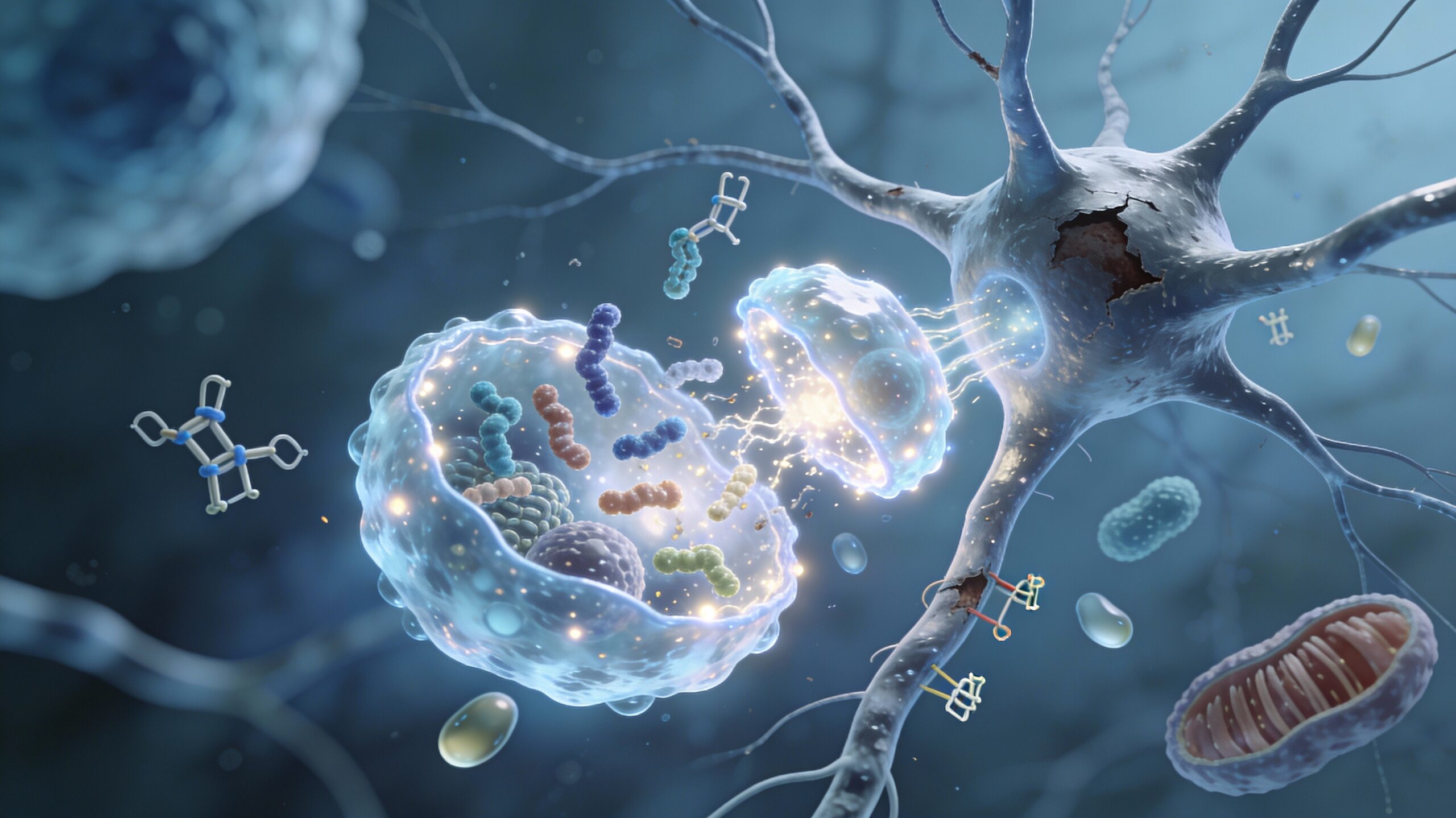
🔬 1. Autophagy – Cellular Detox & Brain Repair
Autophagy is the body’s self-cleaning mechanism.
During fasting, brain cells:
- remove damaged proteins
- clear toxins
- reduce oxidative stress
- lower inflammation
- recycle dysfunctional components
This process is strongly associated with longevity and neuroprotection.
🔬 2. Increased BDNF – Fertilizer for the Brain
BDNF (Brain-Derived Neurotrophic Factor) supports:
- learning
- memory
- focus
- synaptic growth
- neuroplasticity
Fasting has been shown to increase BDNF, improving cognition and protecting against mental decline.
🔬 3. Enhanced Mitochondrial Efficiency
The brain consumes 20–25% of the body’s total energy.
Fasting improves mitochondrial performance, leading to:
- sharper focus
- sustained mental energy
- improved problem-solving
🔬 4. Reduced Brain Inflammation
Chronic inflammation contributes to:
- brain fog
- mood imbalance
- memory issues
Fasting lowers inflammatory markers, creating a cleaner internal environment for the brain.
🔬 5. Ketones – Clean, Stable Brain Fuel
During fasting, the liver produces ketones.
Ketones:
- burn cleaner than glucose
- provide steady energy
- reduce mental crashes
- protect neurons
This explains the clarity and calm focus many people experience while fasting.
🔬 6. Improved Insulin Sensitivity
High insulin levels can impair brain signaling.
Fasting improves insulin sensitivity, supporting:
- faster cognition
- better attention
- improved mental performance
FASTING ACROSS CULTURES: ANCIENT WISDOM CONFIRMED BY SCIENCE
Fasting is one of humanity’s oldest healing practices.
- 🕌 Islam – Ramadan fasting for discipline and clarity
- 🧘♂️ Hinduism – fasting for mental purification
- ✡️ Judaism – fasting for reflection and renewal
- ✝️ Christianity – Lent for spiritual alignment
- 🧘 Buddhism – fasting for awareness and mindfulness
Across traditions, one belief is shared:
Fasting sharpens the mind and strengthens inner clarity.
HOW FASTING AFFECTS THE BRAIN: PRACTICAL FRAMEWORKS
🌟 Framework 1: Brain Repair Timeline
| Fasting Duration | Brain Benefit |
|---|---|
| 0–4 hours | Blood sugar stabilizes |
| 4–12 hours | Insulin drops, fat burning starts |
| 12–16 hours | Autophagy activates |
| 16–24 hours | BDNF & ketones rise |
| 24–48 hours | Deep repair & inflammation reduction |
🌟 Framework 2: The 3-Pillar Brain Fasting Model
- Biological Cleansing – Autophagy & inflammation reduction
- Energy Optimization – Ketones & mitochondrial efficiency
- Cognitive Enhancement – BDNF & neurotransmitter balance
🍎 FASTING FOR WORK, FOCUS & PRODUCTIVITY
Why Fasting Improves Performance
- Less digestion = more brain energy
- Stable ketones = longer focus
- Higher BDNF = faster learning
- Calmer nervous system = better decisions
Sample Workday Routine
Morning (Fasted):
- Water / herbal tea
- Deep work, studying, planning
Midday:
- Break fast with protein, vegetables, healthy fats
Evening:
- Light dinner
- Begin next fasting window
HOW TO PRACTICE FASTING SAFELY
Always consult a healthcare professional before starting fasting, especially with medical conditions.
Beginner-Friendly Guidelines:
- Start with 12-hour fasts
- Gradually move to 14–16 hours
- Stay hydrated (water, electrolytes)
- Eat balanced meals
- Avoid overfasting
- Prioritize sleep
Fasting should energize, not exhaust.
Conclusion: Fasting as a Brain-Healing Practice
Fasting is not just about skipping meals.
It is about:
- giving the brain space
- calming inflammation
- renewing cells
- restoring mental clarity
- reconnecting with natural intelligence
In a world of constant noise and consumption, fasting offers silence, repair, and focus.
Leave a Reply